





FREQUENTLY ASKED QUESTIONS ABOUT MEDICAL ASSISTING SCHOOL (FAQ):
Medical assistants perform administrative and clinical tasks to keep the offices of physicians, podiatrists, chiropractors, and other health practitioners running smoothly. They should not be confused with physician assistants, who examine, diagnose, and treat patients under the direct supervision of a physician.
The duties of medical assistants vary from office to office, depending on the location and size of the practice and the practitioner’s specialty. In small practices, medical assistants usually are generalists, handling both administrative and clinical duties and reporting directly to an office manager, physician, or other health practitioner. Those in large practices tend to specialize in a particular area, under the supervision of department administrators.
Clinical duties vary according to State law and include taking medical histories and recording vital signs, explaining treatment procedures to patients, preparing patients for examination, and assisting the physician during the examination. Medical assistants collect and prepare laboratory specimens or perform basic laboratory tests on the premises, dispose of contaminated supplies, and sterilize medical instruments. They instruct patients about medications and special diets, prepare and administer medications as directed by a physician, authorize drug refills as directed, telephone prescriptions to a pharmacy, draw blood, prepare patients for x rays, take electrocardiograms, remove sutures, and change dressings.
Medical assistants also may arrange examining room instruments and equipment, purchase and maintain supplies and equipment, and keep waiting and examining rooms neat and clean.
Students in the American Institute Medical Assisting program receive training designed to prepare them to pursue entry-level roles in healthcare environments. Coursework covers both clinical and administrative skills, including:
- Medical terminology and anatomy & physiology
- Clinical procedures such as phlebotomy, EKGs, vital signs, and lab procedures
- Patient care, communication, and education
- Medical office procedures, computers, and electronic records
- First aid and basic clinical safety practices
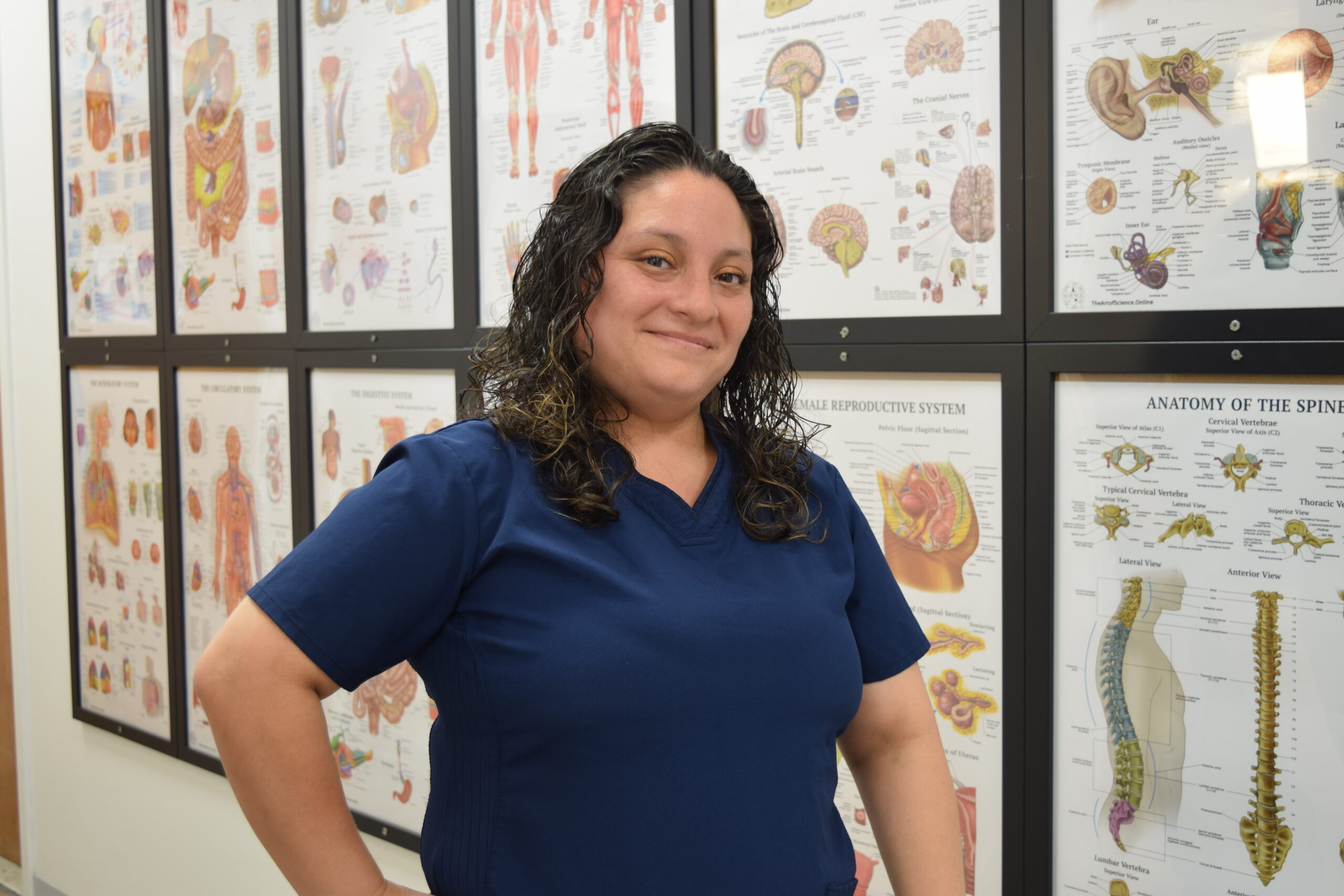
Students also develop a working understanding of major body systems, including the digestive, endocrine, respiratory, cardiovascular, nervous‑muscular, and reproductive systems.
Yes. A key part of the American Institute Medical Assisting program is the clinical externship, which is completed in an outside healthcare facility. This externship allows students to practice their skills in a professional healthcare environment under the supervision of experienced medical staff. This real‑world experience helps students build confidence and prepare for the job search after graduation.
The American Institute Medical Assisting program is offered in a blended format, meaning students complete a combination of online coursework and on campus training. This format allows study flexibility while still providing the essential hands on instruction that healthcare training requires. The program is offered at all American Institute locations.